


Products

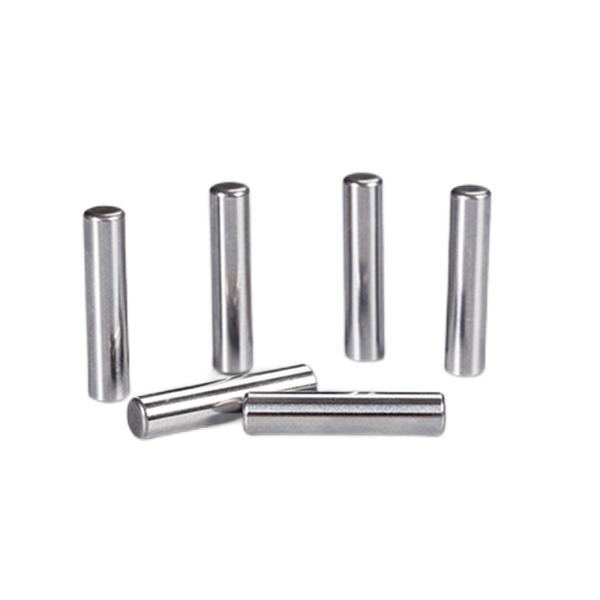
There are many types and forms of Roller Bearing, of which the three common types are single-row Roller Bearing, double-row Roller Bearing and four-row Roller Bearing, and the structures of these three Bearing are somewhat different. So, let's take a look at the structure and characteristics of the Roller Bearing. Roller and track are line contact Bearing. Large load capacity, mainly to bear radial load. The friction between the rolling body and the collar flange is small, suitable for high-speed rotation. The structure of the Bearing is that the inner ring and the outer ring can be separated. Roller Bearing with no flange on the inner or outer ring. The inner and outer rings can move relative to each other in the axial direction, so they can be used as free end Bearing. Both the inner ring and the outer ring have double flanges, and the other track ring has a single flanged Roller Bearing, which can bear a certain degree of unidirectional axial load.
View Details
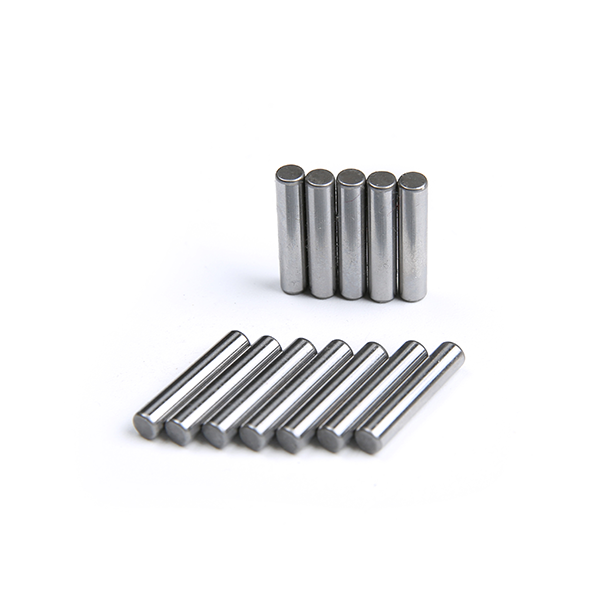
In order to meet this demand, the high load capacity Roller Bearing developed uses rolling body washers instead of retainers, thus increasing the load capacity without damaging the rotation performance, and the rated service life has reached more than 1.5 times that of previous products. Then, let's learn about the structure and characteristics of Roller Bearing and use it together. In order to prevent contact between the Rollers, a gasket made of a resin material is designed between the Rollers. In addition, in the spacer rings which are independently separated from each other, since the tension caused by the clutch distribution of the Rollers does not act, the thickness can be reduced, and the size and number of the Rollers can be increased. Structural comparison of new products and old products Through the performance comparison of new products and old products, the high load capacity of new products Roller Bearing has the following advantages.
View Details
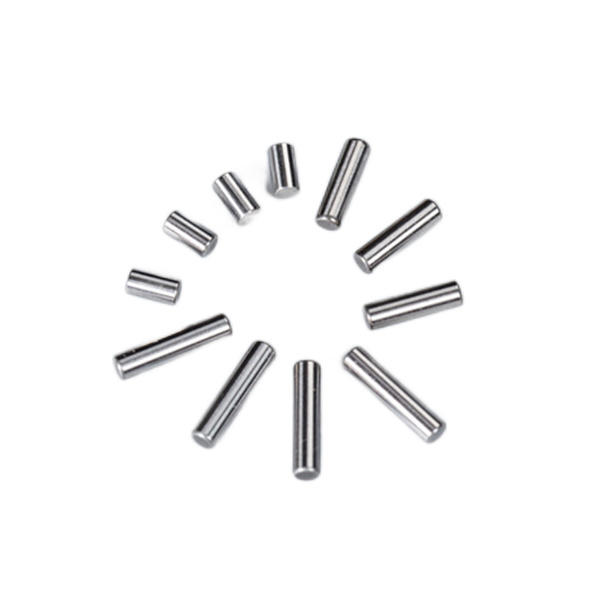
The Roller Bearing consists of a retainer, a Roller, and a guide sleeve, and is a separable Bearing that can be separated from another Bearing ferrule. This kind of Bearing is easy to install and disassemble. Compared with other types of Bearing with the same external dimensions, Roller Bearing has the characteristics of high load, low noise and high speed. Moreover, the friction between the rolling body and the flange of the track ring is small, which is suitable for high-speed rotation. Then, learn about the categories and characteristics of Roller Bearing together below! Roller Bearing, like other kinds of Bearing, are divided into different categories. In order to better understand the Roller Bearing, the types and characteristics of Roller Bearing will be explained in detail. In a single-row Roller Bearing, the Roller is usually guided by a flange of any ring in a set of Bearing, which is combined with a specially designed and surface-treated Roller end.
View Details
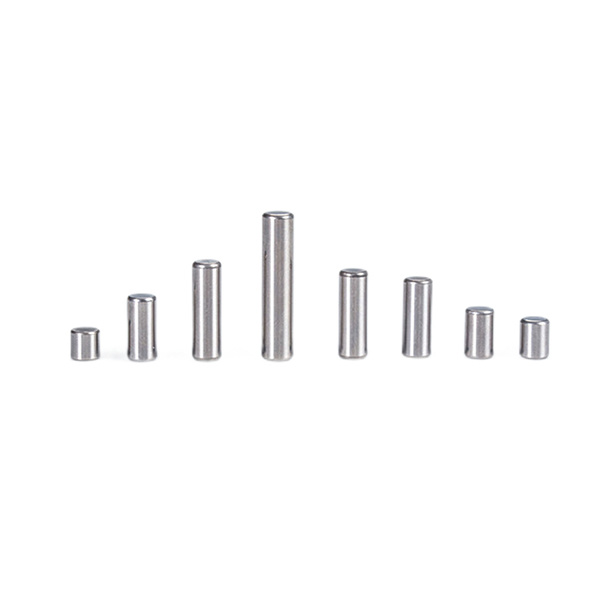
The Bearing is a very critical component of the motor. It is a key component that connects the stator and rotor of the motor and realizes the conversion of electrical energy and mechanical energy. Ball Bearing and Roller Bearing are Bearing types commonly used in small and medium-sized motors. Ball Bearing is mostly used for low-power motors, while Roller Bearing is used for low-voltage high-power and high-voltage motors. From the analysis of the contact between the rolling body and the Bearing ferrule, the ball of the ball Bearing is in point contact with the ferrule, and the contact point is a straight line connection when the Bearing is running, while the Roller Bearing is in line contact with the ferrule when the Bearing is running. The contact lines will be connected to form a surface. In view of the contact relationship between the rolling body and the ferrule, it is intuitively judged that the ball Bearing should be relatively stable during operation, that is, the noise during operation is relatively small; relatively speaking, the noise of the Roller Bearing during operation is relatively large, but the carrying capacity is higher than the ball Bearing.
View Details
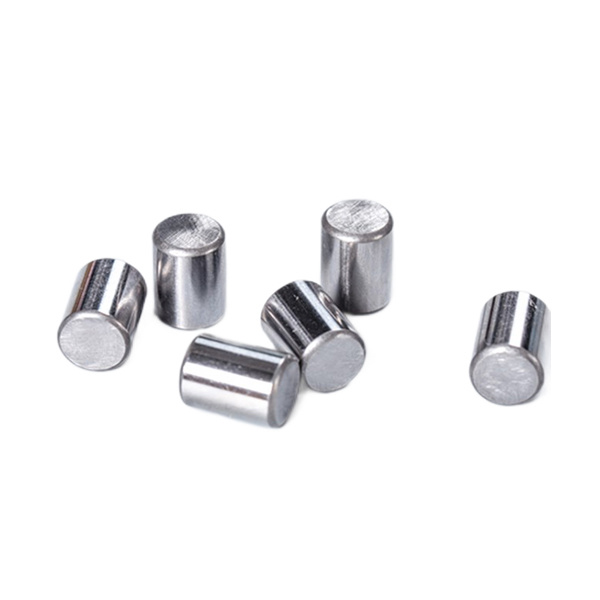
The removal of the Roller Bearing is a regular maintenance and is performed when the Bearing is replaced. After removal, when you need to use it directly or check the Bearing status, please remove it as carefully as during installation. Please pay attention to the parts of the Bearing. The operation is difficult. Then, let's learn how to remove the Roller Bearing. 1. It must be installed under dry and clean environmental conditions. Before installation, the machining quality of each part must be carefully checked. All mating joint surfaces shall be carefully cleaned to remove burrs and the raw surfaces of castings shall be degrinded. 2. Before installation, it must be cleaned with gasoline or kerosene, and used after drying to ensure good lubrication. Bearing generally use grease lubrication, but can also use oil lubrication. 3. During installation, uniform pressure must be applied to the circumference of the end face of the ferrule, press into the ferrule, and do not use tools to directly knock, so as not to damage the Bearing.
View Details
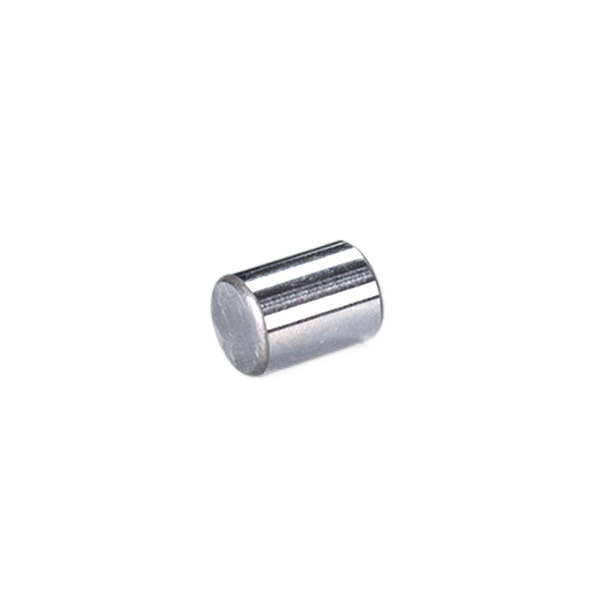
Due to the clearance of the Roller Bearing, the inner and outer rings will move relative to each other under load, which reduces the stiffness of the Roller Bearing, causes radial and axial vibration of the shaft, and affects the working accuracy and service life of the machine. In order to reduce this kind of vibration, for high-precision and high-speed mechanical equipment, pre-tightening method is often used when installing the Roller Bearing, that is, a certain load (radial or axial) is applied to the Roller Bearing in advance during installation to eliminate its original clearance, so that the Roller Bearing body and the inner and outer rings are elastically deformed to prevent the relative movement between the inner and outer rings during work. 1. Cleanliness seriously affects the vibration level of the Bearing, especially in the high frequency band. High cleanliness Bearing low vibration speed.
View Details
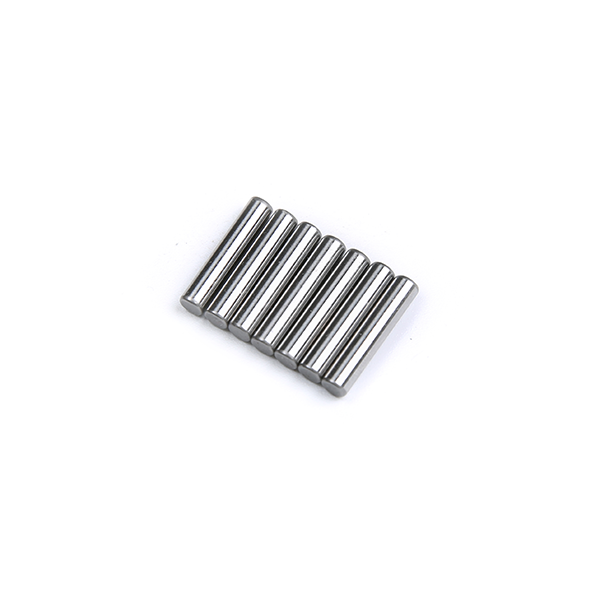
Name Roller material GCR15, stainless steel hardness HRC60-65 excircle tolerance 2um length tolerance 30um verticality ≤ 15um end face runout ≤ 15um roundness ≤ 1um surface roughness ≤ Ra1umGCr15 refers to a high carbon chromium Bearing steel with less alloy content, which has high hardness, uniform structure, good wear resistance and high contact fatigue performance after quenching and low temperature tempering. Areas of application Bearing rollers, jet nozzles of turbojets, plungers, flaps, bushings, etc.
View Details
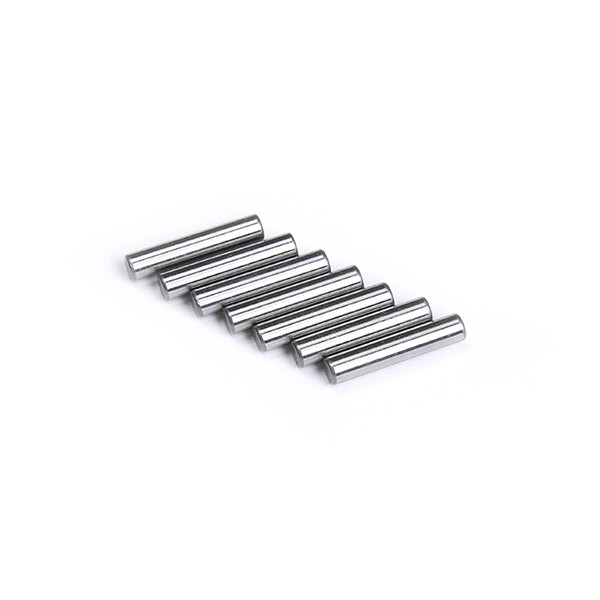
Name Roller material GCR15, stainless steel hardness HRC60-65 excircle tolerance 2um length tolerance 30um verticality ≤ 15um end face runout ≤ 15um roundness ≤ 1um surface roughness ≤ Ra1umGCr15 refers to a high carbon chromium Bearing steel with less alloy content, which has high hardness, uniform structure, good wear resistance and high contact fatigue performance after quenching and low temperature tempering. Areas of application Bearing rollers, jet nozzles of turbojets, plungers, flaps, bushings, etc.
View Details
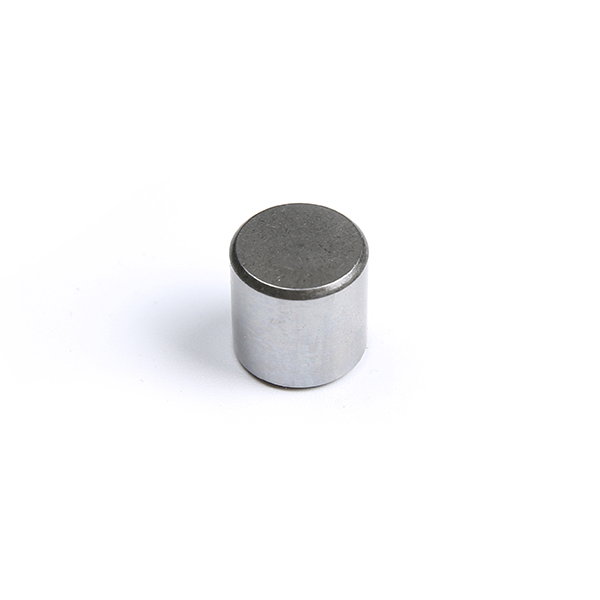
Name Roller material GCR15, stainless steel hardness HRC60-65 excircle tolerance 2um length tolerance 30um verticality ≤ 15um end face runout ≤ 15um roundness ≤ 1um surface roughness ≤ Ra1umGCr15 refers to a high carbon chromium Bearing steel with less alloy content, which has high hardness, uniform structure, good wear resistance and high contact fatigue performance after quenching and low temperature tempering. Areas of application Bearing rollers, jet nozzles of turbojets, plungers, flaps, bushings, etc.
View Details
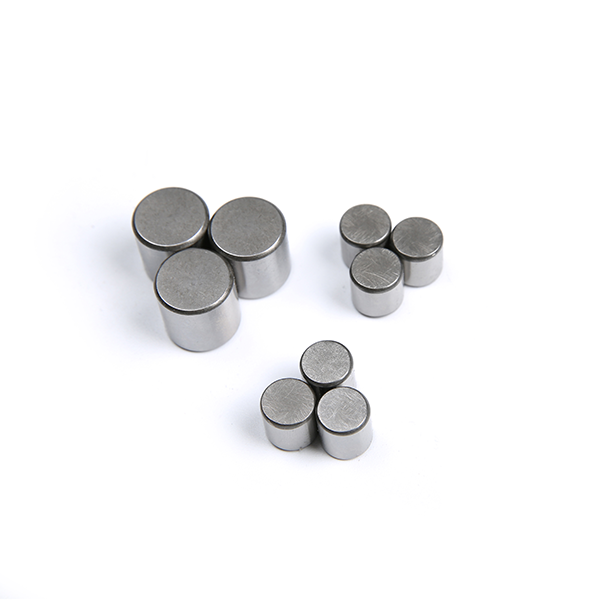
Name Roller material GCR15, stainless steel hardness HRC60-65 excircle tolerance 2um length tolerance 30um verticality ≤ 15um end face runout ≤ 15um roundness ≤ 1um surface roughness ≤ Ra1umGCr15 refers to a high carbon chromium Bearing steel with less alloy content, which has high hardness, uniform structure, good wear resistance and high contact fatigue performance after quenching and low temperature tempering. Areas of application Bearing rollers, jet nozzles of turbojets, plungers, flaps, bushings, etc.
View Details
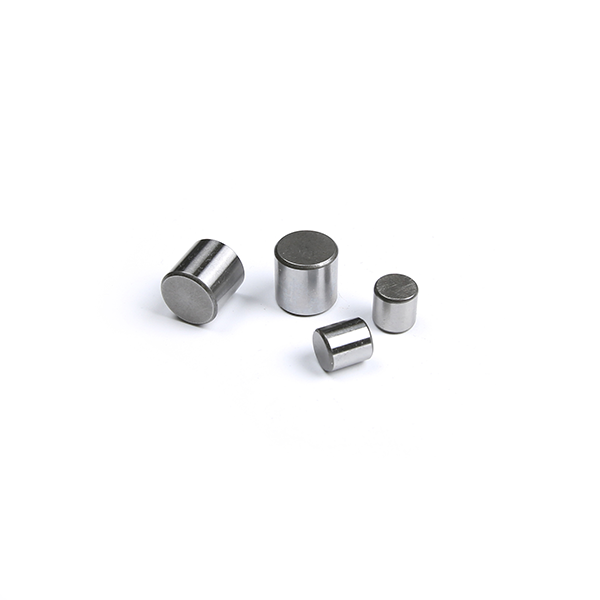
Name Roller material GCR15, stainless steel hardness HRC60-65 excircle tolerance 2um length tolerance 30um verticality ≤ 15um end face runout ≤ 15um roundness ≤ 1um surface roughness ≤ Ra1umGCr15 refers to a high carbon chromium Bearing steel with less alloy content, which has high hardness, uniform structure, good wear resistance and high contact fatigue performance after quenching and low temperature tempering. Areas of application Bearing rollers, jet nozzles of turbojets, plungers, flaps, bushings, etc.
View Details
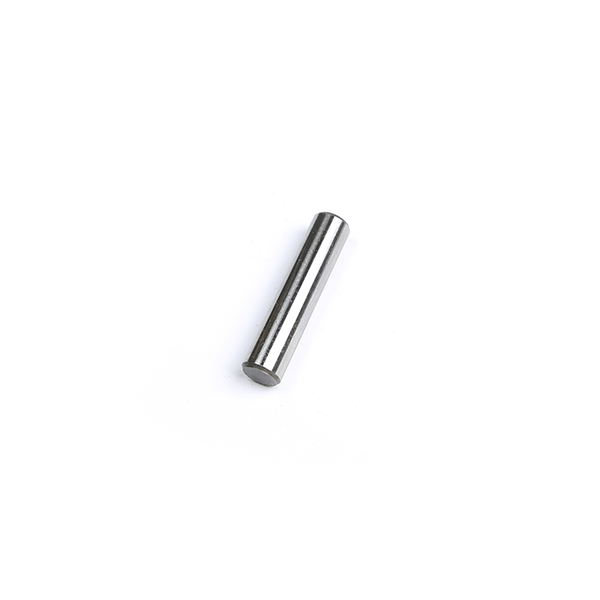
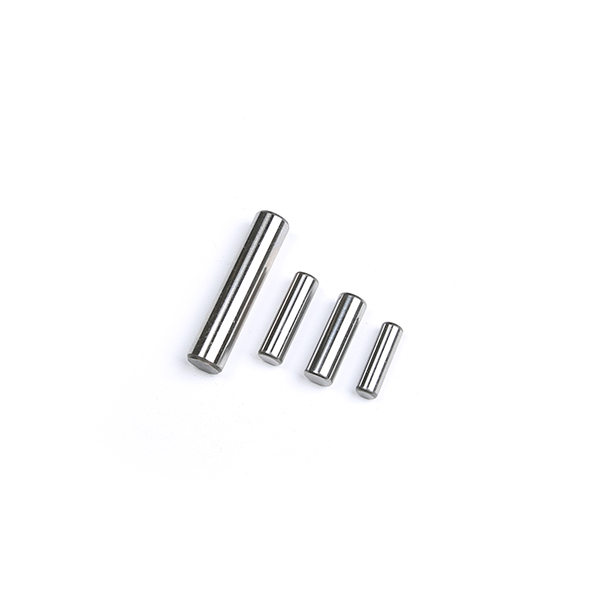
Name Roller material GCR15, stainless steel hardness HRC60-65 excircle tolerance 2um length tolerance 30um verticality ≤ 15um end face runout ≤ 15um roundness ≤ 1um surface roughness ≤ Ra1umGCr15 refers to a high carbon chromium Bearing steel with less alloy content, which has high hardness, uniform structure, good wear resistance and high contact fatigue performance after quenching and low temperature tempering. Areas of application Bearing rollers, jet nozzles of turbojets, plungers, flaps, bushings, etc.
View Details
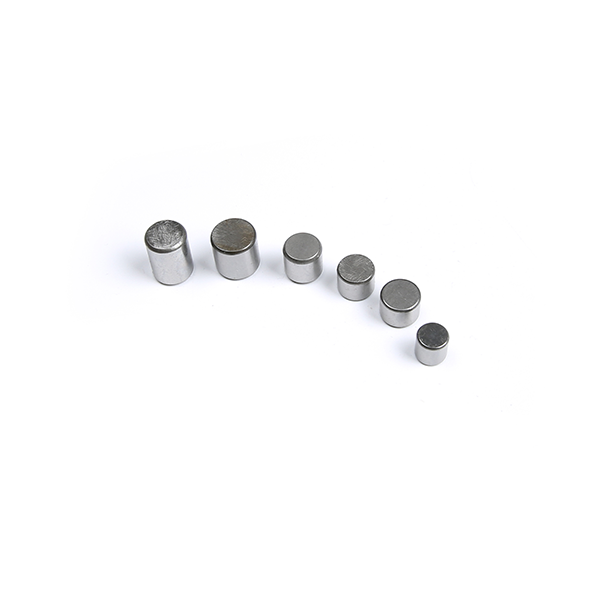
Name Roller material GCR15, stainless steel hardness HRC60-65 excircle tolerance 2um length tolerance 30um verticality ≤ 15um end face runout ≤ 15um roundness ≤ 1um surface roughness ≤ Ra1umGCr15 refers to a high carbon chromium Bearing steel with less alloy content, which has high hardness, uniform structure, good wear resistance and high contact fatigue performance after quenching and low temperature tempering. Areas of application Bearing rollers, jet nozzles of turbojets, plungers, flaps, bushings, etc.
View Details
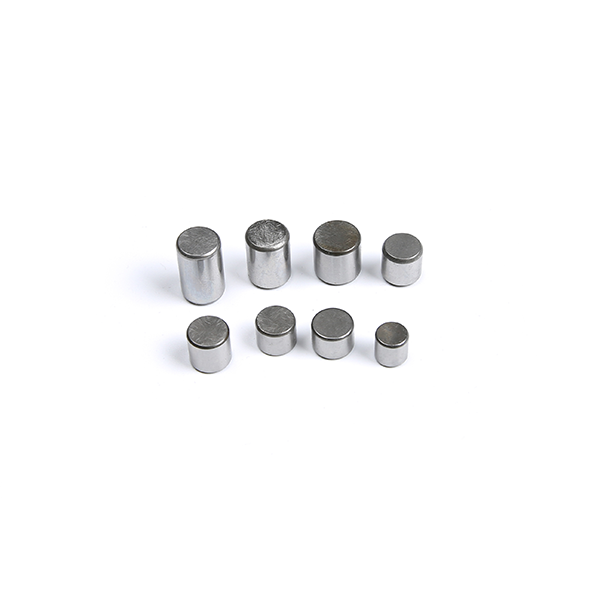
Name Roller material GCR15, stainless steel hardness HRC60-65 excircle tolerance 2um length tolerance 30um verticality ≤ 15um end face runout ≤ 15um roundness ≤ 1um surface roughness ≤ Ra1umGCr15 refers to a high carbon chromium Bearing steel with less alloy content, which has high hardness, uniform structure, good wear resistance and high contact fatigue performance after quenching and low temperature tempering. Areas of application Bearing rollers, jet nozzles of turbojets, plungers, flaps, bushings, etc.
View Details
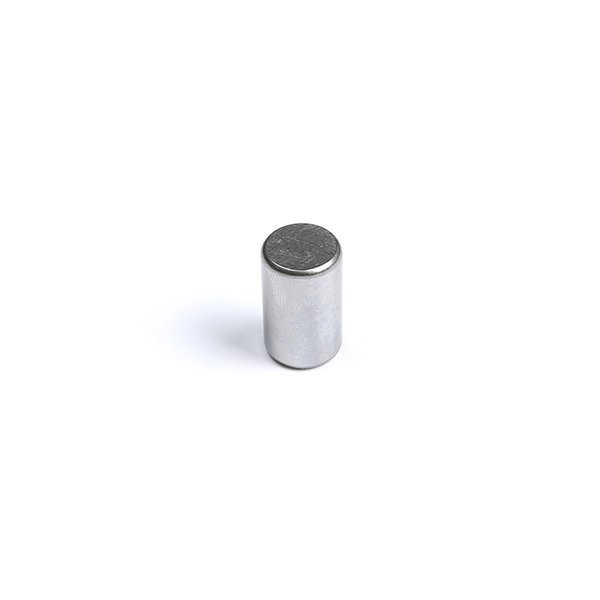
Name Roller material GCR15, stainless steel hardness HRC60-65 excircle tolerance 2um length tolerance 30um verticality ≤ 15um end face runout ≤ 15um roundness ≤ 1um surface roughness ≤ Ra1umGCr15 refers to a high carbon chromium Bearing steel with less alloy content, which has high hardness, uniform structure, good wear resistance and high contact fatigue performance after quenching and low temperature tempering. Areas of application Bearing rollers, jet nozzles of turbojets, plungers, flaps, bushings, etc.
View Details
Online message
Welcome to leave your information to get in touch with us!
Manager Wang: +86-13861268538
Manager Jiang: +86-13961180287
E-mail: 13861268538@139.com
Address: No. 209, Huaxing Road, Jintan District, Changzhou City, Jiangsu Province, China.
Copyright © 2024 Changzhou Bangde Bearing Roller Co., Ltd.
Business License